

To address this, companies often report adjusted EPS, excluding one-time items for a clearer picture of ongoing operations. Regulatory bodies, such as the SEC, require reconciliation of adjusted EPS to GAAP EPS to ensure transparency. “Shares outstanding” also is a line in the data that is displayed with any stock quote. Note that the date must fall within the selected beginning and ending dates, and it must be different from any and all other transaction dates. For a more accurate P/E Cash Flow Management for Small Businesses ratio, use diluted EPS, which includes the impact of all potential equity diluters. The number of dilutive shares to add depends on the type of security and its conversion terms.

Create a free account to unlock this Template
- Unlike the simple average, which might overlook the timing of share issues or repurchases, the weighted average method accounts for the exact duration each share was outstanding.
- A stock split can be useful for companies with extremely high stock prices, as it makes the shares more affordable for retail investors.
- The new additional shares are then used in calculating the company’s diluted earnings per share (EPS).
- Basic EPS shows investors how much money a company makes for each share of its stock without considering potential shares, like those from stock options or convertible bonds.
- This formula sums up the shares outstanding at various points during the period, each weighted by the fraction of time those shares were outstanding.
- Preferred shares often have different dividend rights compared to common shares.
These actions cause the actual number of shares outstanding to fluctuate over a reporting period, reflecting the dynamic nature of corporate finance. Investors often use the weighted average number of shares to evaluate a weighted average shares outstanding formula company’s stock price and overall valuation. The number of shares outstanding directly influences the market capitalization of a company. By using a weighted average to account for changes in share count, investors can make more accurate comparisons between companies or periods. Stock dividends and splits also affect the calculation of weighted average shares. A stock dividend or split increases the number of shares outstanding without changing the ownership proportion of existing shareholders.
Government and Educational Resources on Weighted Average Shares Outstanding Calculations
However, for calculation purposes, these additional shares are considered to have been outstanding for the entire period, which can significantly impact the weighted average. Weighted average shares outstanding is a nuanced metric that provides a deeper understanding of a company’s financial performance. By accounting for changes in the number of shares throughout a reporting period, it offers a more precise measure for calculating EPS and other per-share metrics. For investors and analysts, grasping this concept is essential for making informed decisions based on a company’s financial health and performance.
Weighted Average Share Calculation Example #1
Stock splits and buybacks can significantly impact the number of shares outstanding, making it essential to understand how they affect a company’s weighted average shares outstanding. Weighted average shares outstanding takes into account the timing of share changes. It takes into account all conversions that could increase the total number of shares in circulation.
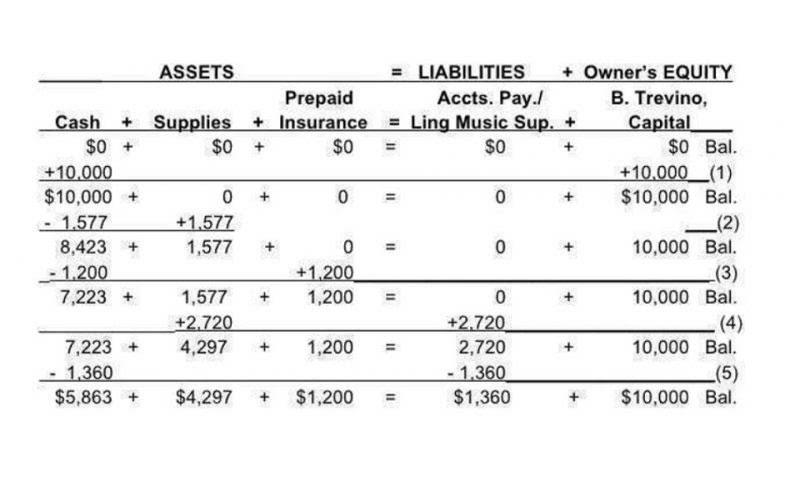
The next step is unearned revenue to assume those securities are converted, the company receives the cash, and the number of shares outstanding goes up. Options may have been granted to employees, for example, that are in-the-money (strike price is below the current market price) but have not been converted yet. If options are in-the-money, they should be accounted for in a diluted EPS calculation. Below is a simple example of how to calculate diluted EPS for a company without any preferred shares. Earnings per share are almost always analyzed relative to a company’s share price.

- Weighted average shares thus calculate share outstanding after factoring in all or any changes in the number of shares for a given period.
- For companies, issuing stock dividends is a way to reward investors without reducing the company’s cash reserves.
- The first step is identifying changes in the number of shares outstanding during the reporting period.
- A company thus resorts to a weighted average shares calculation to accurately determine its earnings.
- Diluted earnings per share is derived by taking net income during the period and dividing by the average fully diluted shares outstanding in the period.
Then, adjust this figure whenever new shares are issued or old ones are bought back. Financial disclosures must list both Basic and Diluted EPS so that investors understand how new shares could affect their investment’s value. It removes potential distortion by considering the timing and amount of share transactions, ensuring that calculations reflect true economic ownership over the fiscal period.
It is a tool that is used frequently by investors, but is by no means the only measure of a company’s financial future. You should take into account all of the financial information available to make an investment decision. Basic EPS takes the company’s net income minus any preferred dividends and divides it by the number of outstanding shares.